
Flameless Heating on Oil Field Sites This Fall
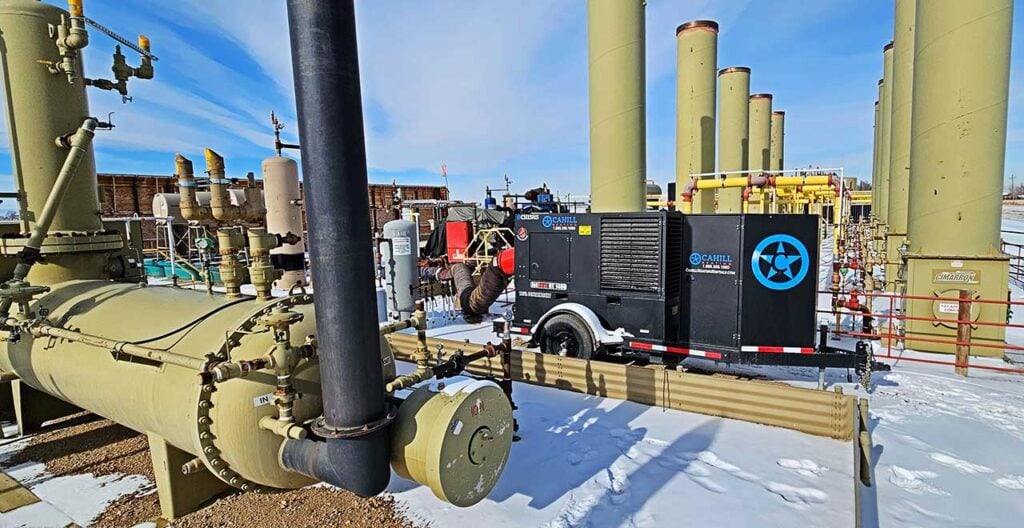
Heating is essential to keep processes moving, but traditional heating methods can introduce combustion risks, moisture, and emissions—undesirable in sensitive environments like well pads, processing sites, and midstream facilities. That’s where flameless heating comes in.
Managing Heating & Moisture Control During HVAC Maintenance
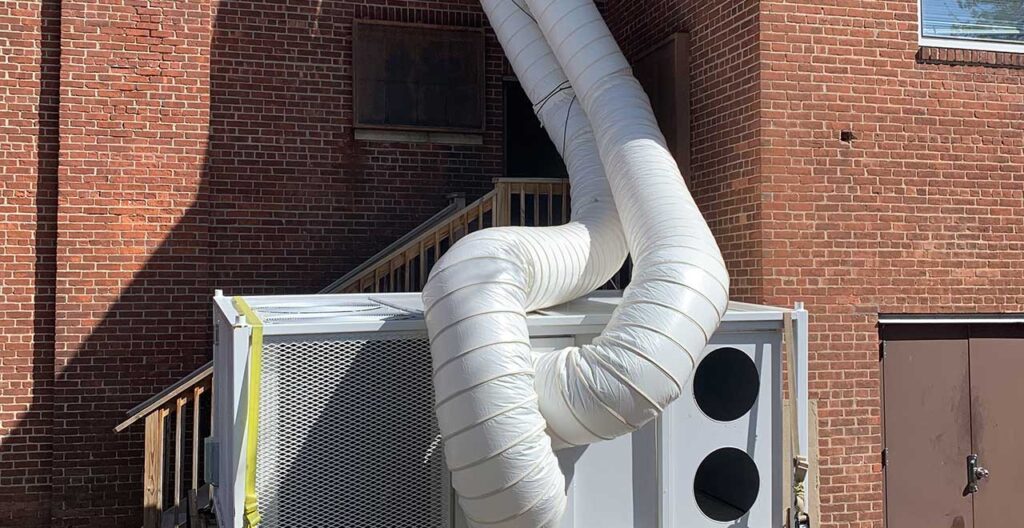
When HVAC systems go offline, buildings can experience rapid temperature drops, humidity spikes, and changes in air quality, which disrupt research, damage sensitive materials, and compromise the comfort of students and staff. The scale and diversity of campus facilities make this even more complex. Unlike a single office building, a university campus might include everything from 19th-century lecture halls to state-of-the-art laboratories—all with different environmental needs.
Emergency Heating & Moisture Control for System Failures
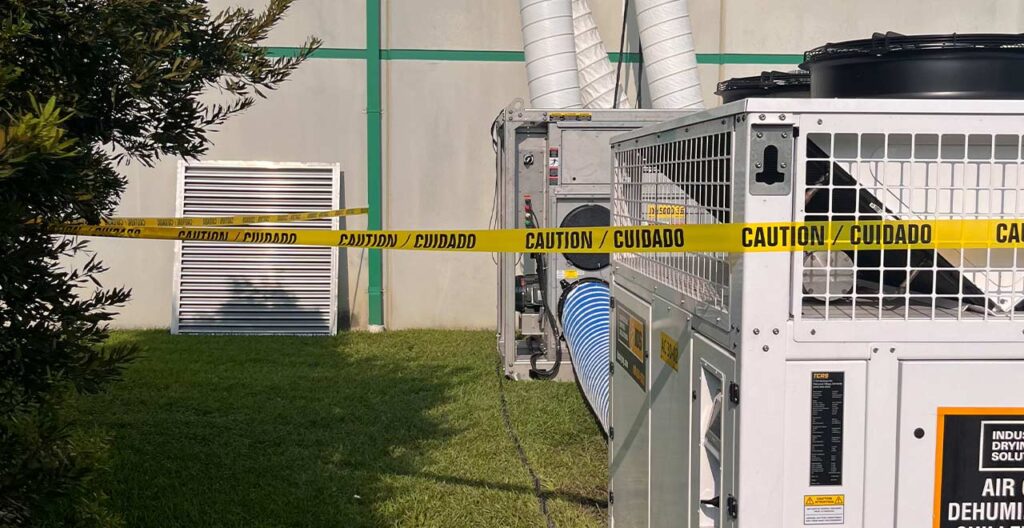
When temperatures drop or humidity rises, every minute counts. A delayed response can result in frozen pipes, damaged interiors, costly repairs, frustrated tenants, and even regulatory penalties. That’s why having a reliable emergency heating and dehumidification plan is no longer optional—it’s essential for protecting your assets and maintaining a strong reputation.
Managing Moisture & Heating Challenges in Large Facilities
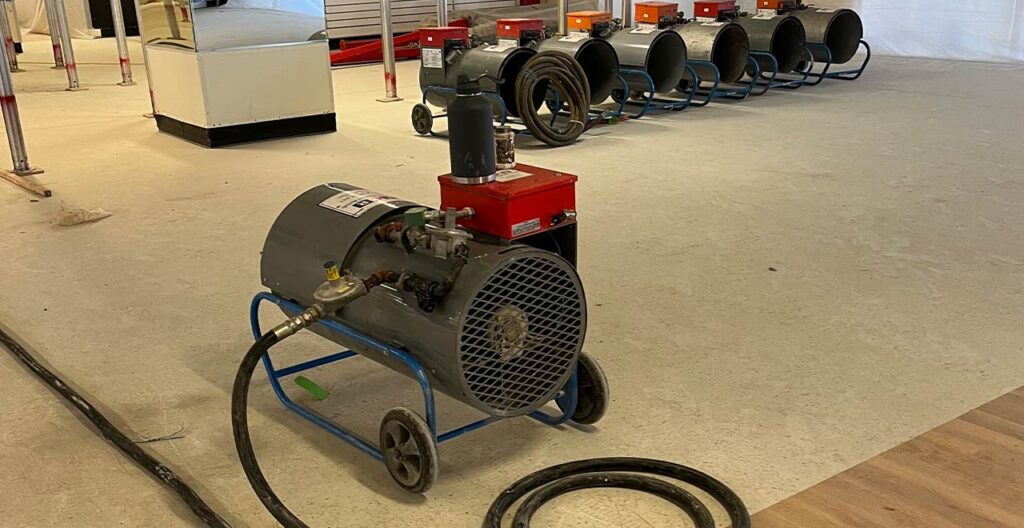
During construction and commissioning phases, moisture and temperature can become major obstacles. Excess humidity slows construction, threatens materials, and complicates testing. Cold temperatures stall productivity and compromise finishes. In facilities that are partially enclosed or under renovation, environmental control becomes a temporary but critical responsibility.